The Complete Guide to Body Language Training
Unlock the 93% of communication hidden in body language. This complete guide reveals power postures, facial cues, and cultural nuances to boost confidence and connections. Transform your presence with BodyLytics Academy in Barcelona.
Did you know that body language accounts for up to 93% of communication impact? While words shape only 7%, your posture, gaze, and gestures silently broadcast dominance, trust, or unease in every interaction. At BodyLytics Academy, we unlock this hidden language to transform how you connect, lead, and persuade.
Mastering body language isn't just reading cues—it's projecting power and rapport effortlessly. This complete guide equips you with proven techniques drawn from experts like Joe Navarro and Allan Pease. Whether sealing deals in Barcelona boardrooms or building deeper relationships, these skills elevate your presence.
Decode the Core Dimensions of Body Language
Body language operates across five key dimensions: dominance vs. submission, affection vs. hostility, relaxation vs. nervousness, engagement vs. withdrawal, plus haptics, appearance, paralanguage, and chronemics. Recognizing these reveals true intentions behind words. Start by scanning posture and gaze for instant insights.
Dominant signals include upright posture, chest out, steady eye contact, and expansive use of space—like claiming armrests. Submissive cues show slouched shoulders, chin tucked, and averted eyes. Affectionate body language leans in with open palms and nods, while hostility pulls back with clenched fists or pointing.
Relaxed people recline smoothly with steady gazes; nervous ones fidget, clench jaws, or bounce legs. Engaged individuals face you fully, leaning forward with nods; withdrawn ones turn away or lean back. Practice spotting these in daily conversations to sharpen your radar.
Master Power Postures for Instant Confidence
Upright posture with shoulders back instantly signals authority and composure. Feet hip-width apart forms your base posture, grounding you like a tree in wind—try it before meetings for a surge in self-assurance. Avoid hunching, which screams uncertainty.
"Body language betrays emotions. Use these feelings as cues to your communication." — Body Language Basics Training
Expand your presence: spread arms on chairs, plant feet firmly, hold chin level. In groups, claim the center subtly. These power postures not only influence how others see you but also boost your own testosterone and lower stress hormones.
- Stand tall, chest open, for dominance.
- Recline slightly for relaxation.
- Lean in 10-20 degrees for engagement.
- Mirror others' posture to build rapport.
Read Faces and Eyes Like a Pro
Eyes are the window—steady, direct gaze conveys confidence and interest; darting or downward glances signal nervousness or submission. Furrowed brows and tight jaws betray tension, while soft smiles and raised eyebrows show engagement.
Facial micro-expressions flash in seconds: rapid blinking or forced smiles indicate discomfort. In negotiations, watch for mismatched expressions—like a nod with averted eyes. Train by pausing videos of talks and guessing emotions first.
Key Facial Cues to Spot
- Genuine smile: Crinkles eyes (Duchenne smile) vs. mouth-only fake.
- Eye contact: 60-70% in conversations builds trust; too much intimidates.
- Brow furrow: Confusion or anger—clarify immediately.
- Jaw clench: Hidden stress; offer reassurance.
Practice Techniques That Stick
Observation is your foundation: watch strangers in cafes, noting how confident walkers swing arms loosely versus anxious shufflers. Record yourself speaking—check for fidgeting or closed arms. Books like What Every BODY is Saying by Joe Navarro provide FBI-honed insights.
Employ mirroring: subtly copy a colleague's lean or nod pace to forge instant connection. Practice in low-stakes spots like coffee chats. Seek feedback: "Did my posture match my enthusiasm?" Active listening amplifies this—nod, maintain gaze, match energy.
- Video yourself weekly for self-review.
- Mirror in safe settings to build rapport.
- Observe TED Talks, pause to analyze.
- Journal daily cues you spotted and interpreted.
Navigate Cultural Nuances and Contexts
Body language shifts globally: direct eye contact dominates in Western cultures but signals disrespect in some Asian ones. Proximity varies—Spaniards thrive closer than Northern Europeans. Adapt chronemics too; punctuality screams reliability in Germany, flexibility rules in Latin America.
In Barcelona's vibrant mix, blend Mediterranean warmth—open gestures, light touches—with professional restraint. Defensive postures like crossed arms close doors everywhere. Tailor haptics: consensual arm touches build trust in rapport-building cultures.
Workshops reveal these subtleties. Continuous practice ensures your signals land universally effective.
Apply in Real-World Scenarios
In interviews, sit forward with open palms to signal eagerness. Negotiations demand steady gaze and no fidgeting—project calm dominance. Dates? Mirror her lean, use gentle nods for affection without overwhelming proximity.
Public speaking: base posture on stage, gesture purposefully above waist. Teams thrive when you spot withdrawal—lean in, nod to re-engage. These tweaks turn average interactions into magnetic ones.
"Make body language your superpower." — TED Insights on Nonverbals
Start Your Body Language Mastery Today
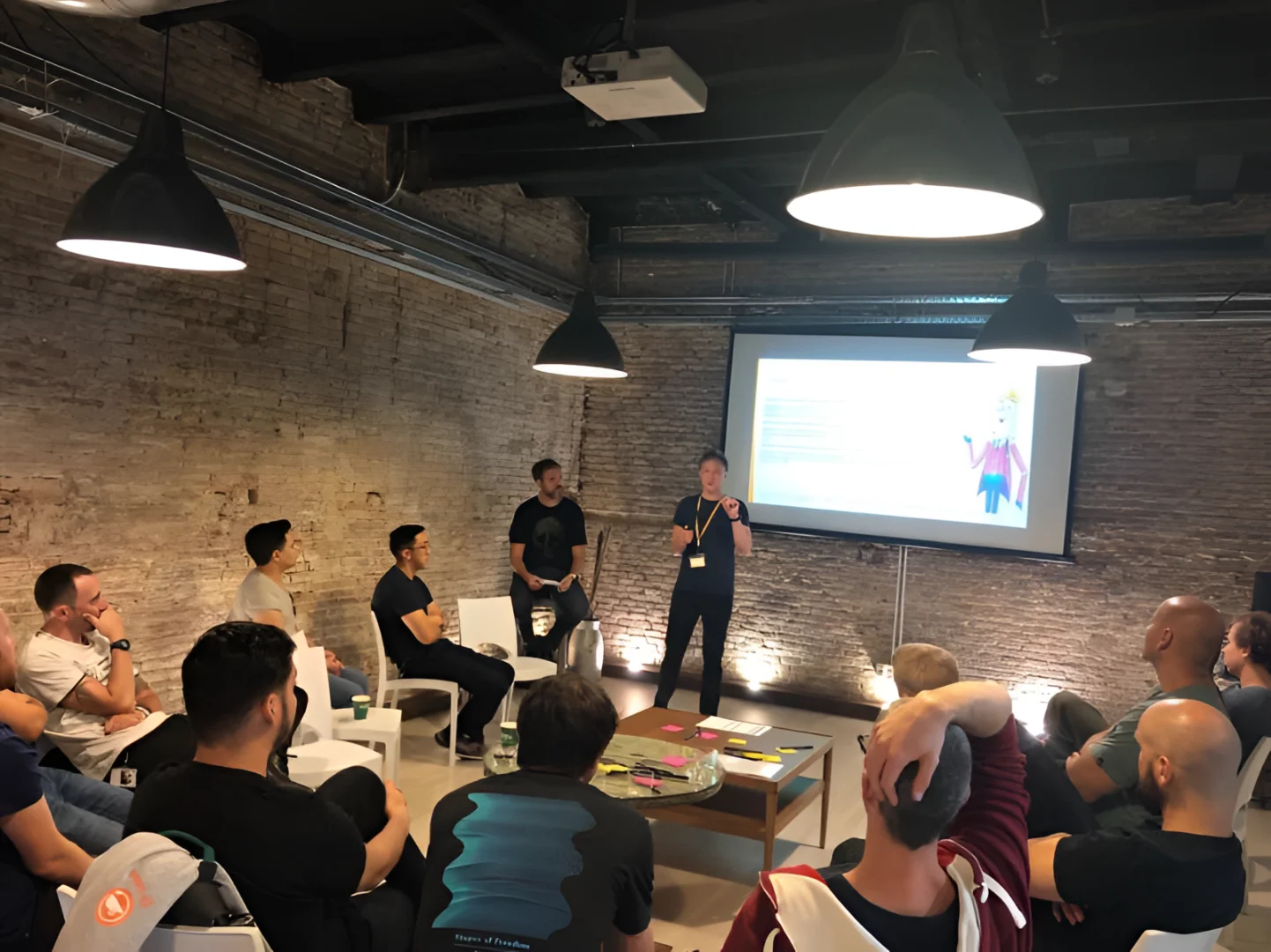
Join BodyLytics Academy in Barcelona for hands-on training with certified NLP coaches. Our immersive courses feature video analysis, mirroring drills, and real-time feedback—results in weeks, not years.
Enroll now and claim your free posture assessment. Transform silent signals into your greatest asset—spaces limited, secure yours at BodyLytics Academy.


